



5-HT Receptor
Serotonin Receptor; 5-hydroxytryptamine Receptor
5-HT receptors (Serotonin receptors) are a group of G protein-coupled receptors (GPCRs) and ligand-gated ion channels (LGICs) found in the central and peripheral nervous systems. Type: 5-HT1, 5-HT2, 5-HT3, 5-HT4, 5-HT5, 5-HT6, 5-HT7. They mediate both excitatory and inhibitory neurotransmission. The serotonin receptors are activated by the neurotransmitter serotonin, which acts as their natural ligand. The serotonin receptors modulate the release of many neurotransmitters, as well as many hormones. The serotonin receptors influence various biological and neurological processes such as aggression, anxiety, appetite, cognition, learning, memory, mood, nausea, sleep, andthermoregulation. The serotonin receptors are the target of a variety of pharmaceutical drugs, including many antidepressants, antipsychotics, anorectics,antiemetics, gastroprokinetic agents, antimigraine agents, hallucinogens, and entactogens.
5-HT Receptor Isoform Specific Products
-
5-HT Receptor
(559)
View all products
-
5-HT1 Receptor
(448)
View all products
-
5-HT2 Receptor
(475)
View all products
-
5-HT3 Receptor
(31)
View all products
-
5-HT4 Receptor
(12)
View all products
-
5-HT5 Receptor
(12)
View all products
-
5-HT6 Receptor
(85)
View all products
-
5-HT7 Receptor
(88)
View all products
All Product Categories
-
5-HT Receptor Inhibitors
(183)
View all products
-
5-HT Receptor Agonists
(538)
View all products
-
5-HT Receptor Antagonists
(690)
View all products
-
5-HT Receptor Activators
(19)
View all products
-
5-HT Receptor Modulators
(96)
View all products
-
5-HT Receptor Inducers
(2)
View all products
-
5-HT Receptor Controls
(19)
View all products
-
5-HT Receptor Ligands
(25)
View all products
-
5-HT Receptor Related Products (1721)
Related Products (1721)

-
Antibodies (1)
-
Related Compound Screening Libraries (1)
-
5-HT Receptor Isoform Comparison
-
Prucalopride
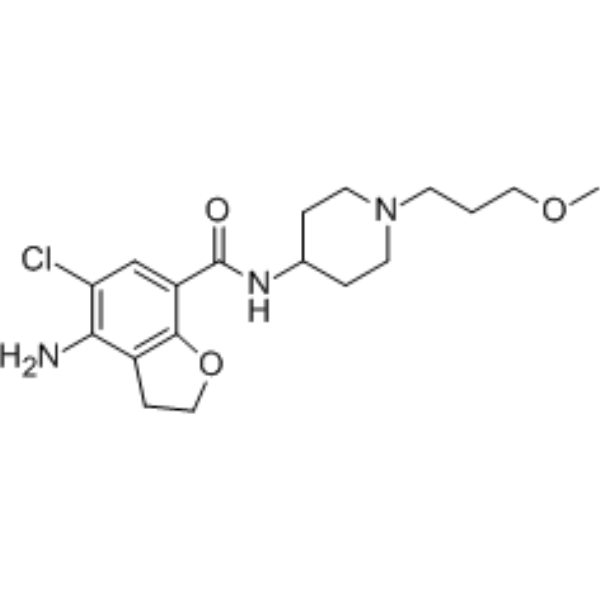 0 ImagesPrucalopride is an orally active, selective and specific 5-HT 4 receptor agonist (high affinity), with pKis of 8.6 and 8.1 for human 5-HT4a/4b receptors, respectively. Prucalopride improves intestinal motility by promoting regeneration of the intestinal nervous system in rats. Prucalopride also shows anticancer activity by blocking of the PI3K/AKT/mTor signaling pathway. Prucalopride can be used in studies of chronic constipation, pseudo-intestinal obstruction and cancer.
-
Amitriptyline
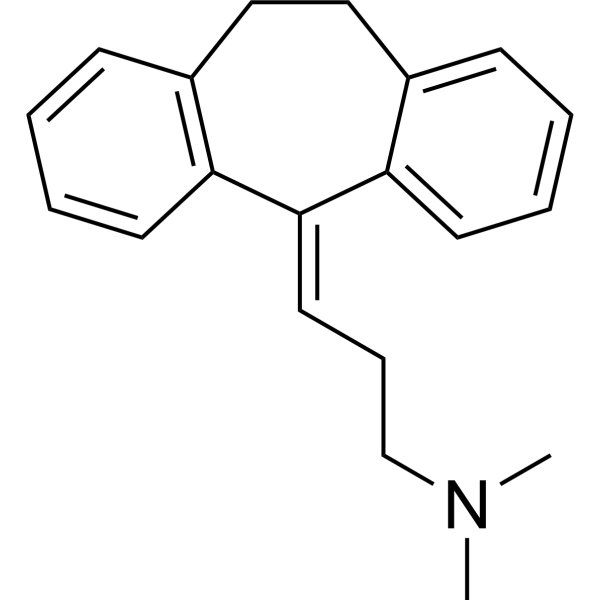 0 ImagesAmitriptyline is an orally active tricyclic antidepressant (TCA). Amitriptyline mainly exerts its antidepressant effect by blocking SERT (Ki = 3.45 nM) and NET (Ki = 13.3 nM), thereby increasing the concentrations of 5-hydroxytryptamine (5-HT) and norepinephrine (NE) in the synaptic cleft. Amitriptyline is also an agonist at α2A and TrkA/TrkB receptors, thereby exerting analgesic and neurotrophic activities (inhibiting cell apoptosis). Amitriptyline can reduce inflammation, angiogenesis and fibrosis. Amitriptyline binds to DAT (with Ki = 2.58 μM). Amitriptyline has high affinity for a series of receptors and can antagonize muscarinic cholinergic receptors (M1/M2/M3/M4/M5 receptors) (Ki = 11-24 nM), H1 receptors (Ki = 0.5-1.1 nM), adrenergic α1 receptors (Ki = 4.4 nM), etc., resulting in a series of side effects. Amitriptyline can block sodium channels and hERG potassium channel (IC50 = 4.78 μM) and it has cardiotoxicity.
-
Pindolol
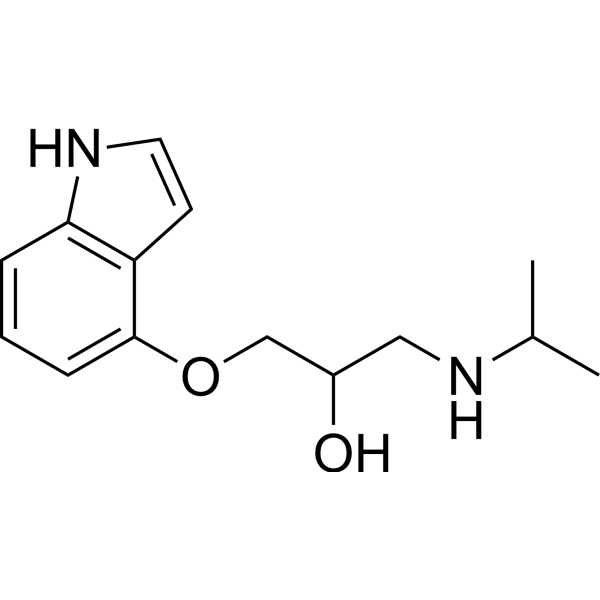 0 ImagesSynonyms: LB-46Pindolol (LB-46) is the antagonist for 5-HT 1A (Ki=33 nM) and 5-HT 1B. Pindolol is the antagonist for β1/β2-adrenergic receptor. Pindolol exhibits anti-anxiety and antidepressant effects.
-
Quetiapine
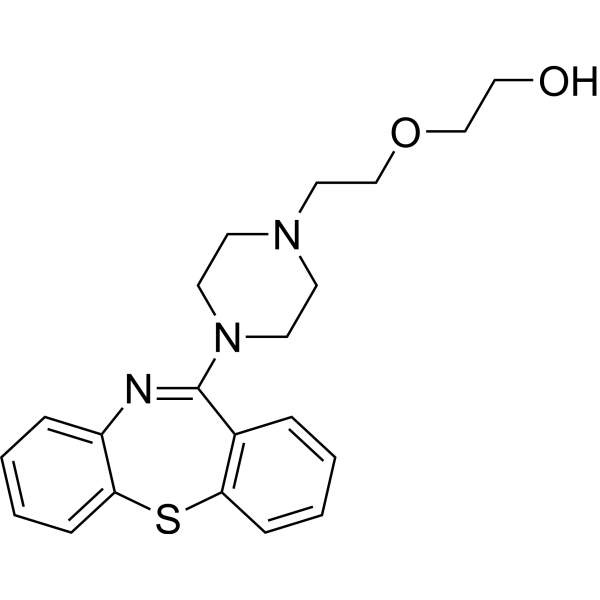 0 ImagesSynonyms: ICI204636Quetiapine (ICI204636) is a 5-HT receptors agonist with a pEC50 of 4.77 for human 5-HT1A receptor. Quetiapine is a dopamine receptor antagonist with a pIC50 of 6.33 for human D2 receptor. Quetiapine has moderate to high affinity for the human D2, HT1A, 5-HT2A, 5-HT2C receptor with pKis of 7.25, 5.74, 7.54, 5.55. Antidepressant and anxiolytic effects.
-
Ritanserin
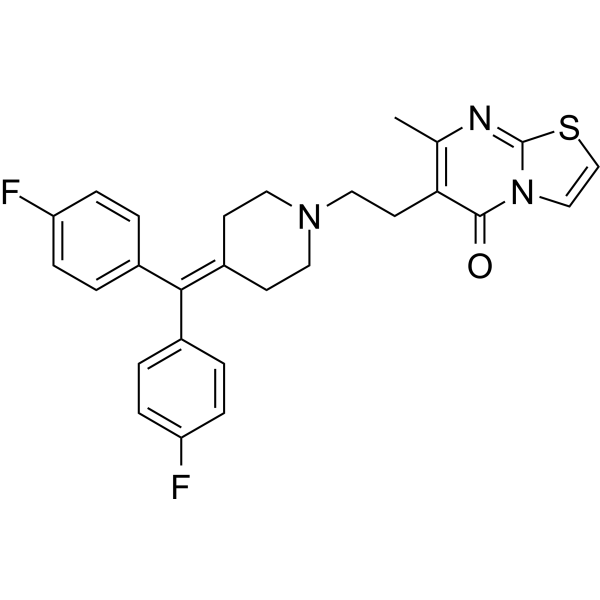 0 ImagesSynonyms: R 55667Ritanserin (R 55667) is a highly potent, relatively selective, orally active, long acting antagonist of 5-HT2 receptor, with an IC50 of 0.9 nM, less active on Histamine H1, Dopamine D2, Adrenergic α1, Adrenergic α2 receptors.
-
Amitriptyline hydrochloride
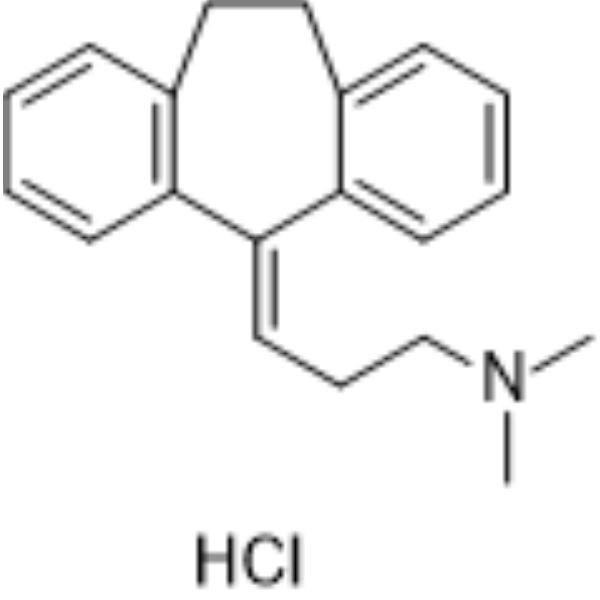 0 ImagesAmitriptyline hydrochloride is an orally active tricyclic antidepressant (TCA). Amitriptyline hydrochloride mainly exerts its antidepressant effect by blocking SERT (Ki = 3.45 nM) and NET (Ki = 13.3 nM), thereby increasing the concentrations of 5-hydroxytryptamine (5-HT) and norepinephrine (NE) in the synaptic cleft. Amitriptyline hydrochloride is also an agonist at α2A and TrkA/TrkB receptors, thereby exerting analgesic and neurotrophic activities (inhibiting cell apoptosis). Amitriptyline hydrochloride can reduce inflammation, angiogenesis and fibrosis. Amitriptyline hydrochloride binds to DAT (with Ki = 2.58 μM). Amitriptyline hydrochloride has high affinity for a series of receptors and can antagonize muscarinic cholinergic receptors (M1/M2/M3/M4/M5 receptors) (Ki = 11-24 nM), H1 receptors (Ki = 0.5-1.1 nM), adrenergic α1 receptors (Ki = 4.4 nM), etc., resulting in a series of side effects. Amitriptyline hydrochloride can block sodium channels and hERG potassium channel (IC50 = 4.78 μM) and it has cardiotoxicity.
-
SB 242084
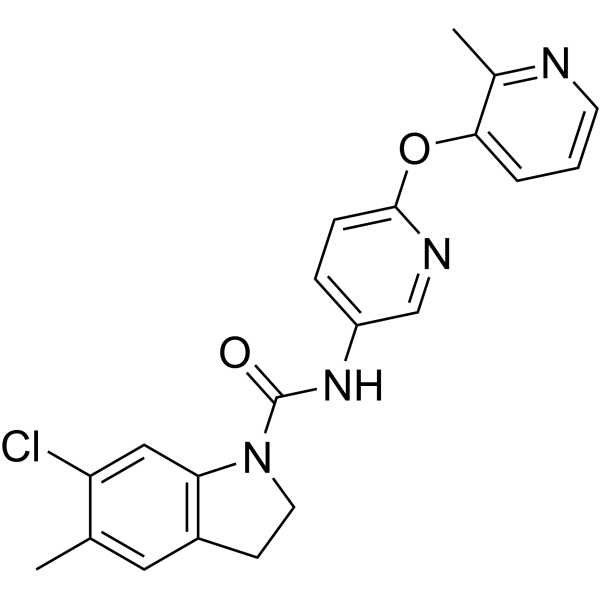 0 ImagesSB 242084 is a selective, competitive and high-affinity (pKi=9.0) 5-HT2C receptor antagonist (crosses the blood-brain barrier). SB 242084 increases basal activity of dopaminergic neurons in the ventral tegmental area (VTA) of the midbrain and dopamine release in the vomeronasal nucleus. SB 242084 also increases mitochondrial gene expression and oxidative metabolism via 5-HT2A receptor. SB 242084 has good research potential in the negative symptoms of anxiety, depression and schizophrenia, as well as in acute organ damage.
-
GR 113808
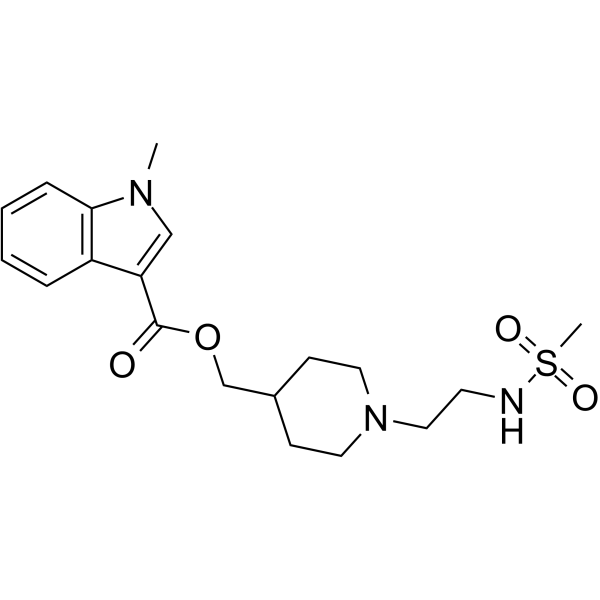 0 ImagesGR 113808 is a potent and highly selective 5-HT4 receptor antagonist (pKb= 8.8). GR 113808 shows 300-fold selectivity over 5-HT1A, 5-HT1B, 5-HT2A, 5-HT2C and 5-HT3 receptors.
-
4-Chloro-L-phenylalanine
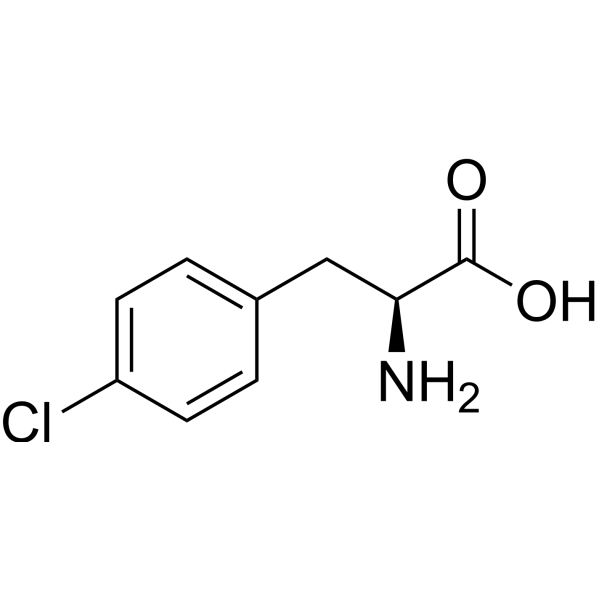 0 ImagesSynonyms: L-PCPA4-Chloro-L-phenylalanine (L-PCPA) is a tryptophan hydroxylase inhibitor targeting TPH1 and TPH2, with the activity of blocking serotonin biosynthesis. 4-Chloro-L-phenylalanine reduces the levels of serotonin and its metabolites in the brain without impairing the survival of serotonergic neurons. 4-Chloro-L-phenylalanine enhances anhedonic, depression-like and anxiety-like behaviors in mice with depleted noradrenergic and dopaminergic neurons. 4-Chloro-L-phenylalanine acts as a decarboxylation substrate for aromatic L-amino acid decarboxylase from Bacillus atrophaeus. 4-Chloro-L-phenylalanine can be used in studies related to Parkinson's disease.
-
Vilazodone Hydrochloride
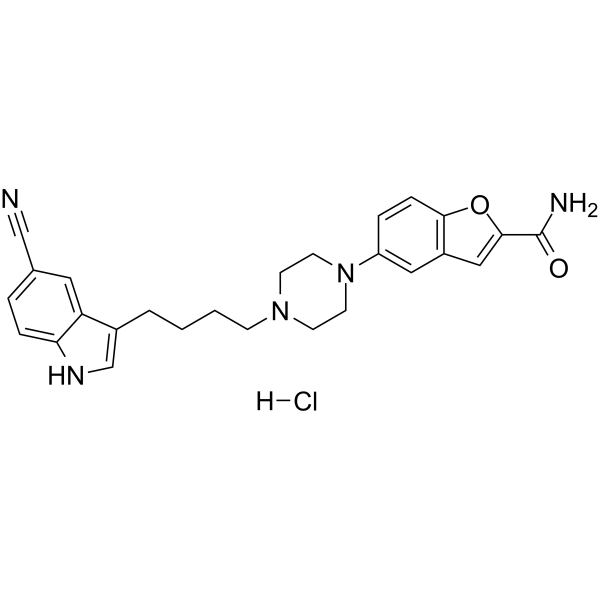 0 ImagesSynonyms: EMD 68843 Hydrochloride; SB659746A HydrochlorideVilazodone Hydrochloride (EMD 68843 Hydrochloride) is a serotonin transporter (SER) inhibitor and 5-HT1A receptor partial agonist.
-
Mirtazapine
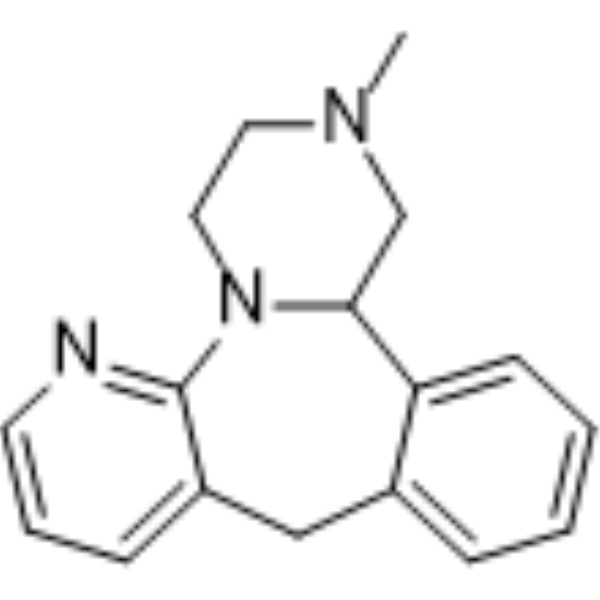 0 ImagesSynonyms: Org3770; 6-AzamianserinMirtazapine (Org3770) is a potent and orally active noradrenergic and specific serotonergic antidepressant (NaSSA) agent. Mirtazapine is also a 5-HT2, 5-HT3, histamine H1 receptor and α2-adrenoceptor antagonist with pKi values of 8.05, 8.1, 9.3 and 6.95, respectively.
-
SB 204741
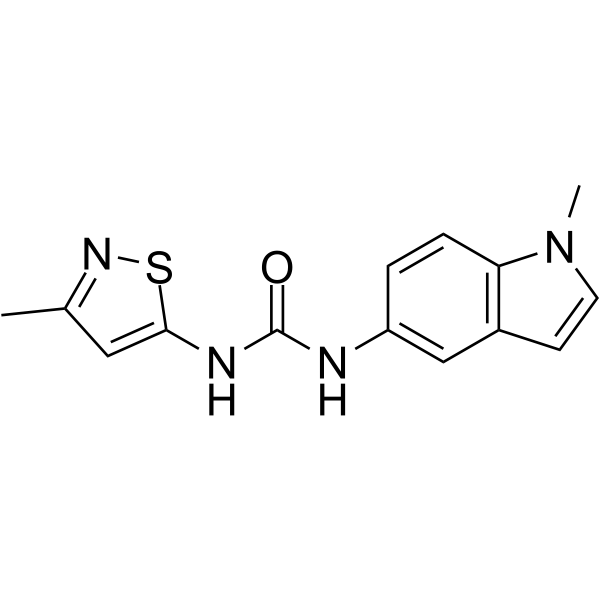 0 ImagesSB 204741 is a selective and high affinity 5-HT2B antagonist with a pKi value of 7.1.
-
Harmine hydrochloride
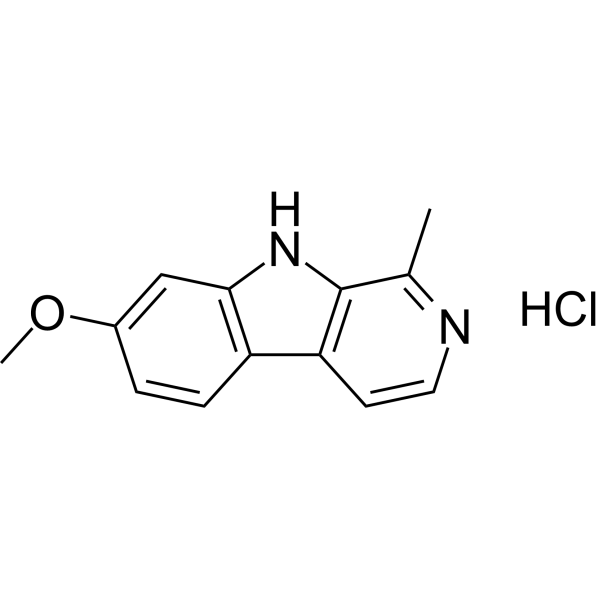 0 ImagesHarmine Hydrochloride (Telepathine Hydrochloride) is a natural DYRK inhibitor with anticancer and anti-inflammatory activities. Harmine has a high affinity of 5-HT2A serotonin receptor, with an Ki of 397 nM.
-
Nuciferine
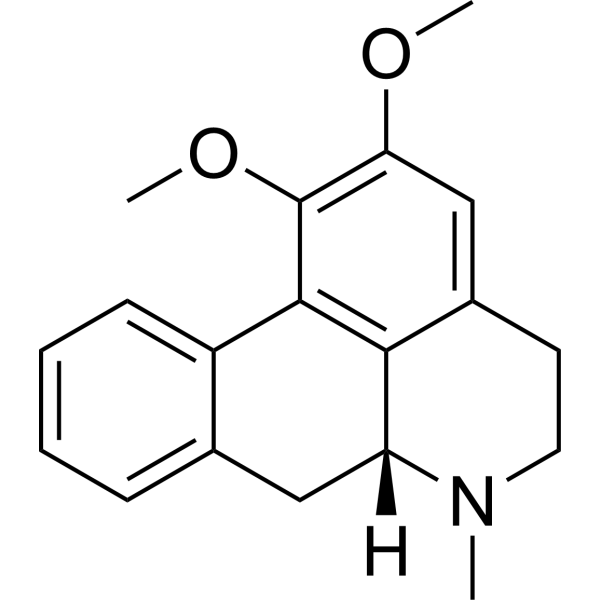 0 ImagesNuciferine is an antagonist at 5-HT2A (IC50=478 nM), 5-HT2C (IC50=131 nM), and 5-HT2B (IC50=1 μM), an inverse agonist at 5-HT7 (IC50=150 nM), a partial agonist at D2 (EC50=64 nM), D5 (EC50=2.6 μM) and 5-HT6 (EC50=700 nM), an agonist at 5-HT1A (EC50=3.2 μM) and D4 (EC50=2 μM) receptor.
-
Cariprazine
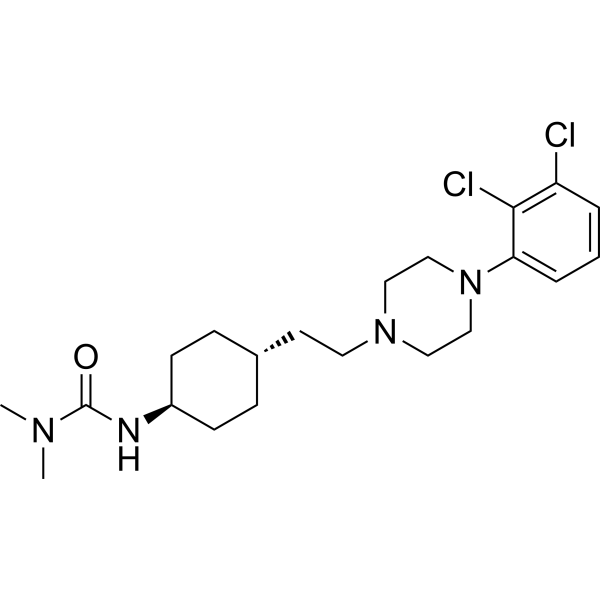 0 ImagesSynonyms: RGH-188Cariprazine is a novel antipsychotic agent candidate that exhibits high affinity for the D3 (Ki=0.085 nM) and D2 (Ki=0.49 nM) receptors, and moderate affinity for the 5-HT1A receptor (Ki=2.6 nM).
-
WAY-100635 maleate
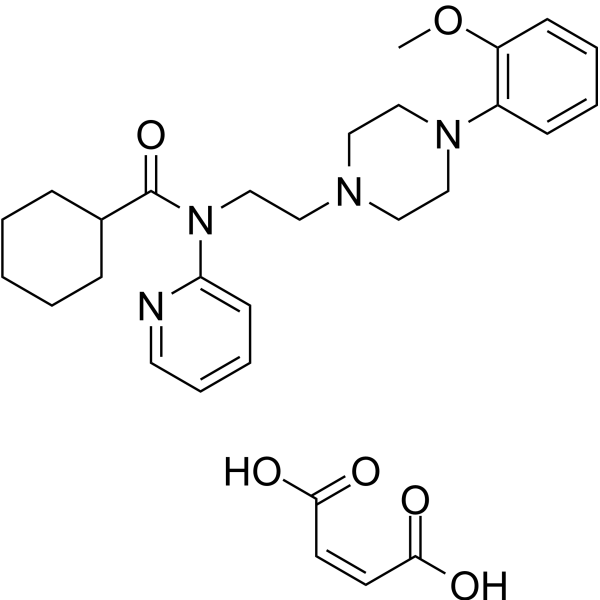 0 ImagesWAY-100635 maleate is a potent and selective 5-hydroxytryptamine 1A (5-HT1A) receptor antagonist with an IC50 value of 0.91 nM and Ki value of 0.39 nM. WAY-100635 maleate has pIC50 values for 5-HT1A and α1-adrenergic receptors of 8.9 and 6.6, respectively. WAY-100635 maleate is also a potent dopamine D4 receptor agonist.
-
Tegaserod maleate
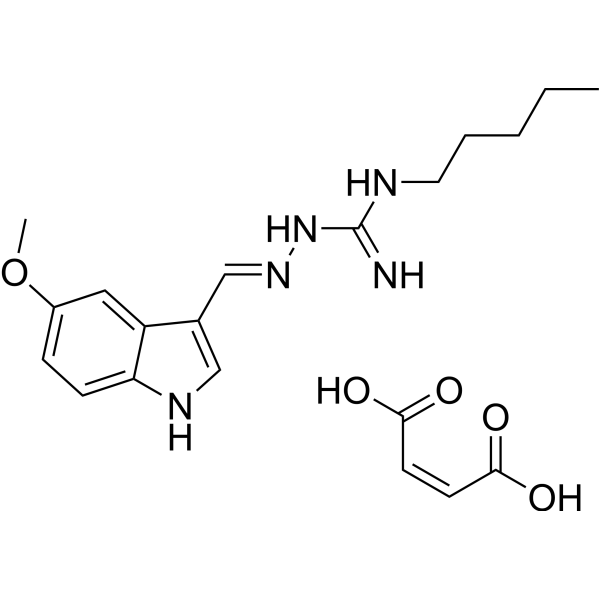 0 ImagesSynonyms: SDZ-HTF-919; HTF-919Tegaserod maleate (SDZ-HTF-919) is an orally active serotonin receptor 4 (HTR4; 5-HT4R) agonist and a 5-HT2B receptor antagonist. Tegaserod maleate has pKis of 7.5, 8.4 and 7.0 for human recombinant 5-HT2A, 5-HT2B and 5-HT2C receptors, respectively. Tegaserod maleate causes tumor cell apoptosis, blunts PI3K/Akt/mTOR signaling and decreases S6 phosphorylation. Tegaserod maleate has anti-tumor activity and has the potential for irritable bowel syndrome (IBS) research.
-
Paliperidone
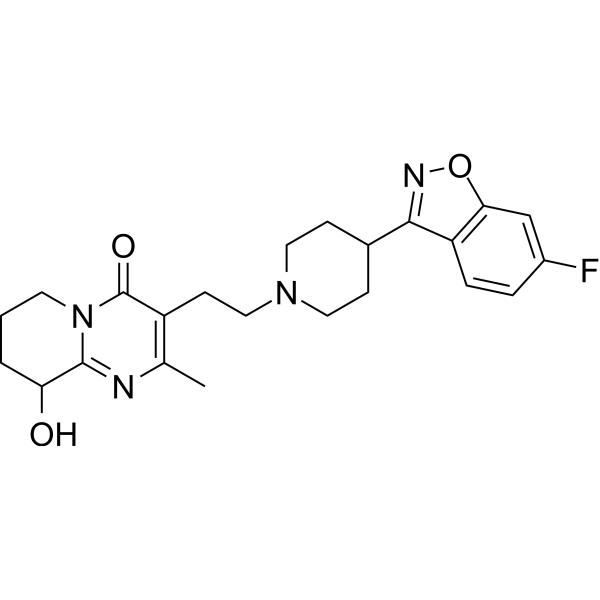 0 ImagesSynonyms: 9-HydroxyrisperidonePaliperidone (9-Hydroxyrisperidone), the major active metabolite of Risperidone, is a dopamine D2 antagonist and 5-HT2A antagonist. Paliperidone is also active as an antagonist at α1 and α2 adrenergic receptors and H1-histaminergic receptors. Paliperidone, a antipsychotic agent, shows efficacy against schizophrenia.
-
Rotigotine
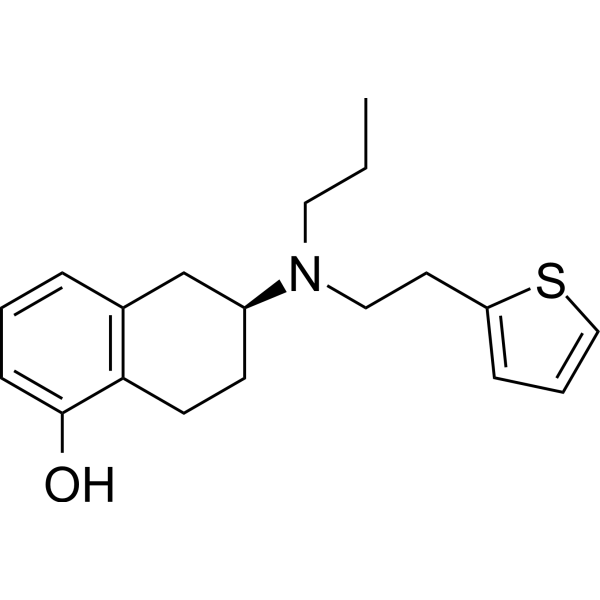 0 ImagesSynonyms: N-0923; (-)-N 0437Rotigotine is a potent dopamine receptor agonist with Ki values of 0.71 nM, 4-15 nM, and 83 nM for the dopamine D3 receptor and D2, D5, D4 receptors and dopamine D1 receptor. Rotigotine a partial agonist of the 5-HT1A receptor, and an antagonist of the α2B-adrenergic receptor. Rotigotine can be used for parkinson's disease (PD) research.
-
Serotonin-d4
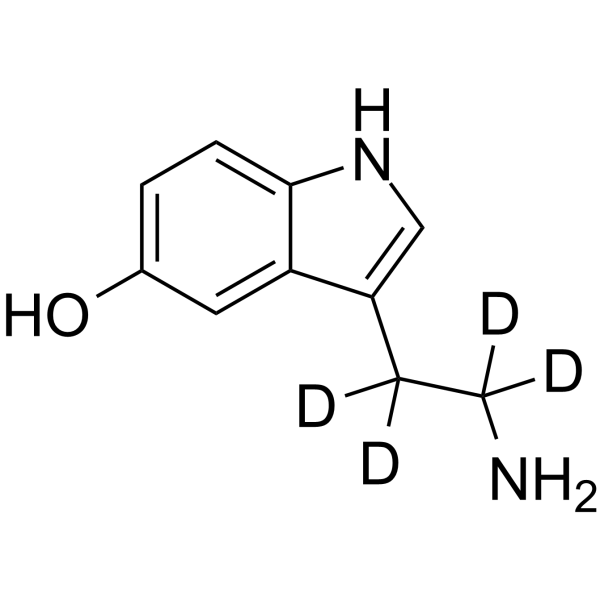 0 ImagesSynonyms: 5-Hydroxytryptamine-d4; 5-HT-d4Serotonin-d4 is deuterium labeled Serotonin. Serotonin is a monoamine neurotransmitter in the CNS and an endogenous 5-HT receptor agonist. Serotonin is also a catechol O-methyltransferase (COMT) inhibitor with a Ki of 44 μM.




